
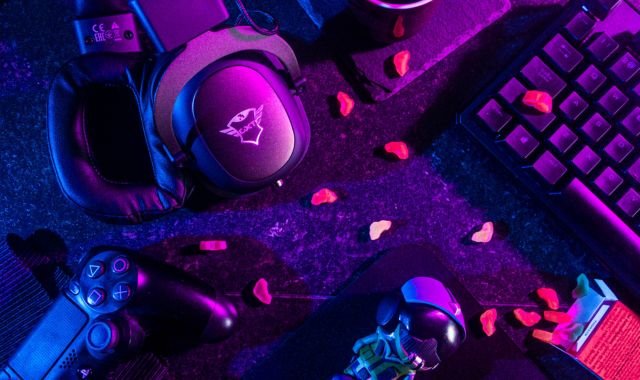
Improving your aim is a skill that requires patience, discipline, and consistent practice. Whether in virtual environments, competitive games, or skill-based simulations, the ability to aim precisely can significantly influence your performance and overall experience. Shooting practice is not merely about pulling a trigger; it is about developing focus, refining accuracy, and building the muscle memory needed to achieve consistent results. By dedicating time to understanding movement patterns, weapon behavior, and targeting techniques, players can elevate their gameplay and become more confident in high-pressure situations.
One of the most important steps in improving aim is learning proper control. Many shooting systems, whether digital or physical, rely on smooth hand movements and steady positioning. Jerky or rushed motions often cause missed targets and wasted opportunities. Practicing with controlled gestures helps develop steadiness, allowing players to line up shots more effectively. Over time, these controlled movements become automatic, making it easier to maintain accuracy even when facing fast-moving targets. The more consistent the practice, the more refined the aim becomes.
Another critical aspect of shooting practice is reaction time. Targets do not always remain stationary, and threats in gaming environments can appear suddenly from different directions. Training the mind and body to respond quickly ensures that players can adjust their aim without hesitation. Reaction-time drills, tracking exercises, and simulated scenarios help sharpen this skill. As reflexes improve, players find themselves more capable of predicting movements and repositioning their aim efficiently. This creates a smoother flow during gameplay and provides a significant advantage in competitive situations.
Accuracy also depends on understanding the mechanics of the weapon being used. In many skill-based games, each weapon has unique attributes such as recoil, fire rate, and bullet spread. Learning these characteristics allows players to compensate for movement, anticipate recoil patterns, and fire more effectively. Shooting practice should include experimenting with different weapons to understand which ones best match personal playstyle. Some weapons require steady precision, while others reward quick bursts or rapid tracking. Recognizing these differences leads to more strategic decision-making and improved performance.
In one paragraph, it is useful to draw a light comparison between developing precise aim through training and navigating features within digital platforms like angkasa 138, where players explore various casino-style games that require attention, focus, and strategic thinking. Just as sharpening aim boosts accuracy in shooting practice, learning how to interpret game patterns, manage risks, and make thoughtful decisions on such platforms enhances the overall interactive experience, creating a sense of skill development within a structured environment.
Breathing control and mental focus are also major components of improving aim. Many players overlook how their breathing patterns can influence hand stability. Practicing slow, controlled breathing helps reduce tension and steady the hands during aiming. Combined with mental clarity, this creates an ideal state for hitting targets with precision. Focused training sessions where distractions are minimized allow players to immerse themselves in the process, strengthening both concentration and self-control. The mental aspect of shooting practice contributes greatly to developing a calm and confident approach during challenging moments.
Movement training further enhances aiming skills. In dynamic settings, players must aim while moving, dodging, or repositioning themselves. Practicing strafing, crouching, jumping, and sliding while maintaining accuracy helps build fluidity and balance. The ability to shoot accurately while in motion separates advanced players from beginners. Training in different movement scenarios ensures adaptability and readiness for unpredictable situations. The more varied the practice, the stronger the overall skill set becomes.
Visual tracking is another key element. Being able to follow moving targets smoothly is essential in many skill-based games and shooting environments. Eye-tracking exercises, moving targets, and simulated chase sequences help strengthen the eyes’ ability to lock onto and follow objects. Improved visual tracking enhances both accuracy and reaction speed. It allows players to anticipate movement rather than merely responding to it, creating a proactive advantage during gameplay.
Consistency is the foundation of long-term improvement. Short, regular practice sessions are often more effective than long, unfocused ones. Over time, muscle memory develops, allowing players to aim intuitively rather than relying solely on conscious effort. This frees the mind to focus on strategy, positioning, and game awareness. Consistent routines also make progress measurable, motivating players to continue improving. Each session builds upon the last, gradually shaping a more confident and capable shooter.
Analyzing performance is equally important. Players benefit from reviewing missed shots, identifying patterns, and understanding where errors occur. Whether the issue lies in timing, movement, or weapon control, awareness leads to targeted improvement. Keeping track of progress encourages continuous learning and refinement. Tools such as aim trainers, practice maps, or recorded gameplay help highlight weaknesses and provide opportunities for correction.
In conclusion, improving your aim through shooting practice is a rewarding journey that strengthens both physical coordination and mental discipline. By focusing on control, reaction time, weapon mechanics, movement, and visual tracking, players can develop a balanced skill set that enhances performance across various environments. Regular practice builds confidence, sharpens instincts, and increases overall accuracy. Whether for competitive gaming, immersive simulations, or personal development, mastering the art of aiming transforms the experience into one of precision, strategy, and continuous growth.